
How to dress a baby according to the temperature
agosto 16, 2026
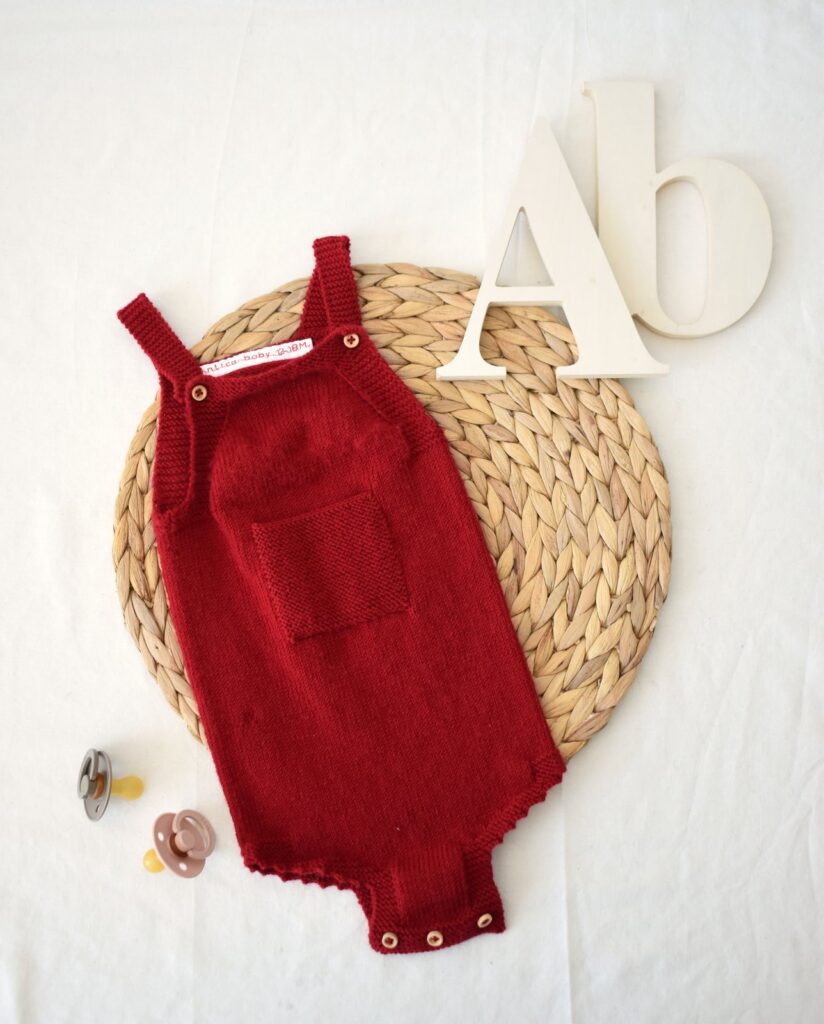
To know how to dress a baby according to the temperature, the key is to use light layers and breathable fabrics, and always check the back of their neck, chest and hands. Generally speaking, a baby needs one more layer than an adult, but not too many: if they’re sweating or the back of their neck is warm, they’re too warmly dressed.
How to dress a baby aged 0 to 3 months
During the first few weeks, it’s normal to have doubts about how to dress a baby according to the temperature, as newborns are still less able to regulate their body temperature. That’s why you should prioritise soft, comfortable and easy-to-put-on clothes, avoiding anything too bulky that might make them uncomfortable.
If you’re wondering how to dress a baby aged 0 to 3 months, always opt for thin layers. A cotton bodysuit, a romper and a light jacket usually work well in warm indoor environments. When going out, you can add a blanket or a swaddle depending on the weather.
At Anticababy, delicate, handcrafted garments are an ideal choice for this stage. Baby rompers are very practical because they keep your little one warm without being restrictive and make dressing them a breeze.
- Choose natural fabrics such as cotton or soft knitwear.
- Avoid stiff seams or clothes that are too tight.
- Check your baby’s temperature at the nape of the neck, not on their hands.
- Always have an extra layer to put on or take off as the weather changes.
How to dress a baby when it’s 20 degrees outside
When it comes to dressing a baby when it’s 20 degrees outside, the usual approach is to opt for mid-season clothing. It’s a pleasant temperature, but very young babies may be more sensitive to draughts, shade or sudden changes between sunshine and cooler conditions.
To get it right when dressing a baby according to the temperature in this case, a short-sleeved or thin long-sleeved bodysuit, a romper or lightweight outfit, and a soft cardigan are usually sufficient. If you’re out for a walk in the morning or at dusk, a little blanket in the pram can make all the difference.
Baby blankets are particularly useful in spring and autumn, as they allow you to adjust how warm your baby is without over-layering. This way, you can cover or uncover your baby as the weather changes during the walk.
It’s also a good idea to protect their head if there’s direct sunlight or a slight breeze. A cotton hat or a light little cap helps complete the look without making them too hot.
How to dress a baby for bed
Another common concern for families is how to dress a baby for bed. Here, rather than just thinking about thick pyjamas, you need to take the actual temperature of the room into account. The ideal temperature is usually between 20 and 22 degrees.
If you want to know how to dress a baby according to the temperature at night, opt for comfortable clothes, without too many layers, that don’t restrict movement. A long-sleeved bodysuit with pyjamas or a cotton romper suit may be sufficient in a warm room.
On cooler nights, you can add a light swaddle or a well-positioned blanket, always ensuring it’s safe and doesn’t cover their face. A swaddle can provide comfort in the first few months, especially if the baby needs to feel snug.
Remember that to check whether your baby is warm enough, you shouldn’t rely on their feet or hands. The nape of the neck and the chest are the most reliable areas for telling whether they’re too cold or too hot.
How to dress a baby in summer — fabrics and tips
In the warmer months, understanding how to dress a baby according to the temperature is even more important. Too many layers in summer can be uncomfortable and lead to sweating, skin irritation or overheating.
If you’re wondering how to dress a baby in summer, the answer lies in using few layers and cool fabrics. Cotton, soft linen and fine knitwear are great choices because they allow the skin to breathe and help maintain comfort.
For everyday wear, lightweight outfits, short rompers or loose-fitting garments work very well. If you’re looking for inspiration for cool, well-made clothes, take a look at our collection of handmade rompers, ideal for dressing your baby comfortably on mild or hot days.
- Avoid synthetic fabrics in direct contact with the skin.
- Wear light colours when it’s very sunny.
- Don’t cover the pram too much.
- Always carry a muslin square or light blanket in case it gets chilly indoors in air-conditioned spaces.
It’s also worth remembering that dressing a baby for the summer heat isn’t just about the temperature. Humidity, wind, sun exposure and whether the baby is asleep, being held or moving around in the pushchair all play a part.
A quick guide by temperature to help you get it right
Many mums and dads are looking for a simple guide on how to dress a baby according to the temperature. Although every baby is different, this guide can help you make more confident decisions.
- Over 26 degrees: a thin bodysuit or very light top, avoiding unnecessary layers.
- Between 22 and 25 degrees: a cotton bodysuit and a light outfit or a thin romper.
- Around 20 degrees: a bodysuit, romper or mid-season outfit and a light jacket.
- Between 16 and 19 degrees: an extra layer, socks and a blanket if you’re using a pushchair.
- Below 16 degrees: several thin layers, an outer coat and accessories depending on the actual weather.
The best way to get it right when dressing a baby for the temperature is to think in terms of layers that you can adjust throughout the day. This way, you’ll avoid both your baby getting too cold and being over-wrapped up, which is often one of the most common concerns.
Signs to tell if your baby is comfortable
It’s not always enough to just look at the thermometer to decide how to dress a baby according to the temperature. Observing the baby themselves is just as important, as every little one can react differently to their surroundings.
If the back of their neck is warm, their chest feels comfortable and the baby is calm, they’re usually dressed just right. If they’re sweating, their cheeks are very red or they’re restless for no apparent reason, they probably need to be dressed more lightly.
Conversely, if their chest feels cool, the baby is huddled up or seems uncomfortable, they may need an extra layer. Over time, you’ll learn to adjust how you dress your baby according to the temperature almost intuitively.
Frequently asked questions
Do babies always need one more layer than adults?
As a general rule, yes, especially in the first few months. Even so, it’s best to check the back of their neck and adjust their clothing to suit the actual environment.
How do I know if my baby is too hot at night?
If the back of their neck is sweaty, they feel very warm to the touch or they’re sleeping restlessly, they may be too warm.
What’s the best fabric for dressing a baby?
Natural fabrics, such as cotton or soft knitwear, are usually the most recommended due to their breathability and comfort.
What clothes should I take for a walk in changeable weather?
Ideally, dress your baby in layers and take a light blanket or cardigan that’s easy to put on and take off.