
How to dress a baby aged 0 to 3 months
agosto 16, 2026
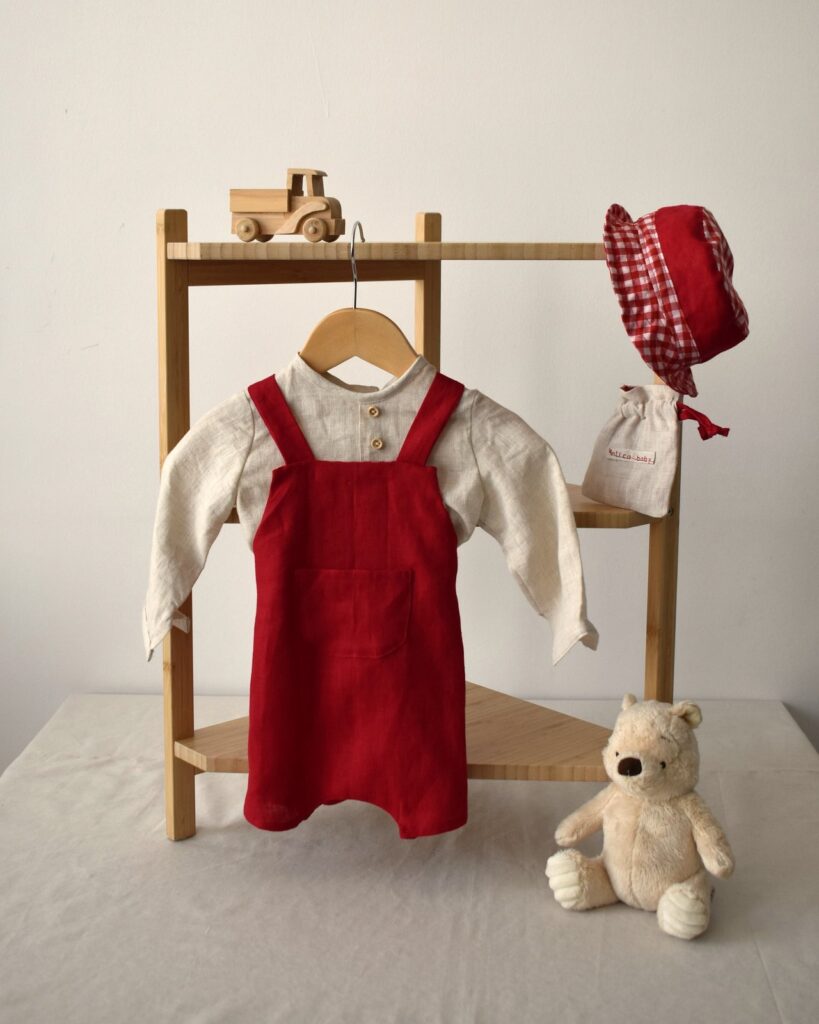
How to dress a baby aged 0 to 3 months
To know how to dress a baby aged 0 to 3 months, the key is not to wrap them up ‘too much’, but to dress them in layers, choose breathable fabrics and adapt their clothing to the actual temperature, wind, humidity and whether they are being carried, in a pushchair or indoors. A baby should be comfortable, dry and with a warm neck, without sweating.
During the first few months, it’s normal to have doubts. Newborns are still less able to regulate their body temperature, so it’s better to observe rather than guess. The best indicators aren’t the hands or feet, which are usually colder, but the nape of the neck and the chest. If these are warm, the baby is fine. If they’re sweating, they’re wearing one layer too many; if their torso or neck feels cold, they need more warmth. This practical approach also helps you understand how to dress your baby without over-dressing them.
How to dress a baby aged 0–3 months according to the temperature
The safest way to get it right is to think in terms of thin layers that are easy to remove. Generally speaking, a small baby usually needs one more layer than an adult in the same situation, but this changes if they’re at home with the heating on, in a car, in a baby carrier or covered with a blanket. As well as the temperature, it makes a big difference whether there’s direct sunlight, shade, rain or wind.
Cold weather: how to dress a newborn baby in winter
If the temperature is below 15 degrees, or if it’s damp and windy, you should prioritise warmth without compromising on breathability. To know how to dress a newborn baby in winter, the most practical approach is to use three layers: a first layer of soft cotton close to the skin, a second layer of knitted fabric or a warm material, and an outer layer suitable for the weather if you’re going out.
In cool indoor spaces or on short walks, a long-sleeved bodysuit, leggings or romper, a cardigan or thin jumper, and a hat if it’s very cold usually do the trick. In a pushchair, a blanket can complete the outfit without the need to over-layer. Natural fabrics, such as cotton or soft knitwear, help to retain heat without causing sweating. If you’re looking for inspiration for comfortable clothes for this stage, take a look at the boys’ rompers category, which is closely linked to the idea of a single, practical and cosy garment.
When it’s very cold, check on your baby every so often. In winter, the most common mistake isn’t under-dressing, but over-layering, especially indoors where the heating is on. If you go into a shop, get into the car or go home, remove a layer or open the blanket. Overheating is also uncomfortable and can disrupt their sleep.
Moderate temperatures: how to dress a baby when it’s 20 degrees outside
One of the most common searches is ‘how to dress a baby when it’s 20 degrees outside’, and it makes sense: it’s a changeable temperature that’s easy to misjudge. At 20 degrees, two light layers are usually enough. For example, a short-sleeved or thin long-sleeved bodysuit depending on the time of day, plus a light romper or cotton outfit. If it gets a bit chilly first thing in the morning or at dusk, add a light jacket that’s easy to take off.
In this temperature range, the key is to consider the actual conditions. It’s not the same being 20 degrees in the sun with no wind as it is at 20 degrees when it’s cloudy. If the baby is in a carrycot, they can be dressed a little warmer than if they’re being carried in your arms. A muslin or light blanket can be more useful than a thick garment, as it allows you to adjust their warmth quickly. For more ideas on comfortable and balanced outfits, you’ll find further style tips and advice for everyday use on the Anticababy blog.
Mild heat: how to dress a baby when it’s 24 degrees
If you’re wondering how to dress a baby when it’s 24 degrees, the answer is usually simple: a single light layer or, at most, two very thin ones. At home, a thin cotton bodysuit may be enough. For going out, a light romper or a breathable outfit works very well, always avoiding synthetic fabrics that trap heat.
At this temperature, less is more. Your baby should be protected, but not over-wrapped. If it’s sunny, prioritise shade and ventilation rather than adding more clothes. If you notice the back of their neck is damp, remove a layer immediately. It’s also worth remembering that the pushchair can trap heat, especially if it’s covered up too much.
Hot weather: how to dress a baby according to the temperature in summer
When temperatures rise further, the general rule for dressing a baby according to the temperature is to keep it as simple as possible. In hot weather, choose loose-fitting garments made of soft cotton or linen, in light colours and with comfortable seams. A sleeveless or short-sleeved bodysuit, or a lightweight one-piece garment, is usually sufficient. A hat is only necessary if there is controlled exposure to the sun and the fabric is cool.
Avoid covering the pushchair with thick fabrics, as these can significantly raise the temperature inside. It’s better to use a hood, provide shade and ensure good ventilation. If you’re out during the hottest part of the day, limit the time spent in the sun and watch out for signs of overheating: very red cheeks, sweating, irritability or rapid breathing.
Fabrics and layers: the combination that works best
Beyond the exact temperatures, there’s a rule of thumb that almost always works: a breathable base layer, a second layer of light warmth if needed, and an outer layer only when the weather calls for it. Soft cotton, fine knitwear and natural fabrics are usually the best choice in the first few months as they’re gentle on the skin and regulate temperature better.
It’s also a good idea to have some useful, but not excessive, accessories to hand: a light blanket, a swaddle or a little hat for specific occasions. If you’d like to take a look at options designed to complete the layette or for walks, you can visit the baby blankets section.
Ultimately, dressing a newborn properly isn’t about piling on lots of layers, but about observing, feeling the back of their neck and adjusting with common sense. If in doubt, start with one layer less than you think and add more only if the baby needs it. And if you’d like to discover handmade, soft garments designed for their first few months, you can take your time exploring Anticababy’s children’s collection.