
Removing yellow stains from stored baby clothes
agosto 16, 2026
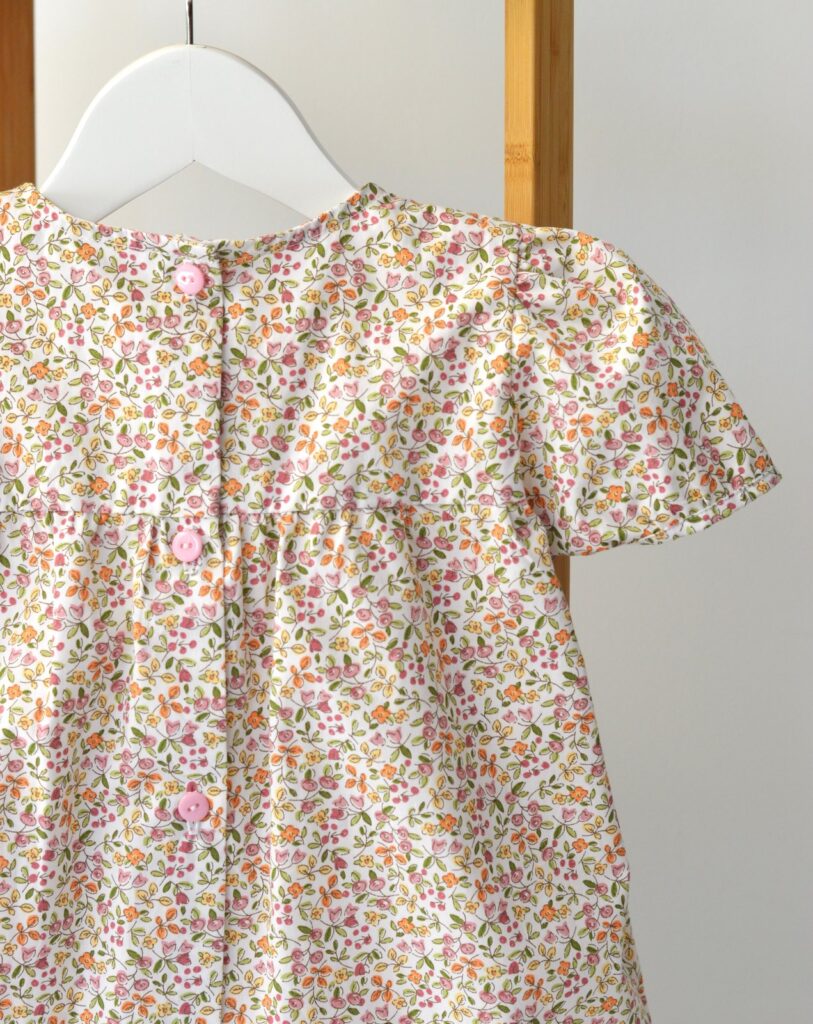
To remove yellow stains from your baby’s stored clothes, the most effective approach is to check the care label, wash the item according to the fabric type, and treat the affected area with gentle solutions such as bicarbonate of soda, mild soap or a suitable percarbonate. Taking your time helps to restore the garment without damaging delicate fibres or irritating your baby’s skin.
Why do yellow stains appear on stored baby clothes?
When it comes to removing yellow stains from stored baby clothes, the first step is to understand why they appear. Often, it is not visible dirt, but rather traces of milk, cream, drool or detergent which, over time and whilst in storage, oxidise and turn yellow.
Humidity, a lack of ventilation and storing clothes before they are completely clean or dry also play a part. Even garments that appear spotless may show these marks months later. Therefore, to remove yellow stains from stored baby clothes, simply washing them vigorously isn’t enough: you need to tackle the cause and treat the fabric with care.
An important factor is the composition of the garment. High-quality natural fibres, such as cotton, wool or well-made muslin, tend to breathe better and accumulate fewer plastic residues than many synthetic fabrics. This means that, in many cases, it is easier to remove yellow stains from stored baby clothes and restore them to their original appearance without causing too much damage to the garment.
When should you start washing your baby’s clothes?
Many families wonder at what stage they should start washing baby clothes. It’s usually done between weeks 30 and 34 of pregnancy, when you’re ready to take your time putting together the layette and getting everything ready for the baby’s arrival.
This first wash isn’t just to make the clothes smell nice. It also removes dust, starch, traces of handling and any particles that may have accumulated during storage or transport. If you’re also going to reuse hand-me-down clothes, this is the ideal time to check whether you need to remove yellow stains from stored baby clothes before putting them back in the wardrobe or hospital bag.
For this first wash, it’s best to sort the items by colour and fabric type. This way, you’ll avoid any nasty surprises and can look after each item properly right from the start.
- Always wash new clothes before using them.
- Check the collars, cuffs and chest area, where invisible residue often remains.
- Avoid strong fabric conditioners and very strong fragrances.
- Dry thoroughly before folding and storing.
Detergent for washing baby clothes
Choosing a good detergent for washing baby clothes makes all the difference, especially if you want to prevent new stains from forming over time. It’s best to use a mild detergent with a simple formula, free from strong fragrances, and ensure it’s thoroughly rinsed out.
If you need to remove yellow stains from stored baby clothes, don’t resort to harsh products straight away. For many items, a gentle pre-treatment works best: warm water, a little neutral soap and a short soak. For tough white items, bicarbonate of soda or percarbonate may help, but always test on an inconspicuous area first.
Furthermore, using less detergent than necessary is usually a good idea. Excess detergent leaves residues, and over time, these residues actually encourage the yellowing that is then difficult to remove.
How to remove yellow stains from stored baby clothes, depending on the fabric
Not all garments respond in the same way. To remove yellow stains from stored baby clothes without damaging them, the most important thing is to tailor your care to the material. This is particularly important for artisan and handmade garments, where each fibre deserves specific treatment.
Cotton: the most forgiving fabric
Cotton is usually the easiest to restore. To remove yellow stains from stored baby clothes made of cotton, you can soak the garment in warm water and mild soap for 30 minutes. Next, apply a little bicarbonate of soda to the affected area, rub very gently with your fingers and wash according to the care label instructions.
If the stain persists, a second wash usually works better than an overly aggressive one. Good-quality natural cotton withstands this care well and usually regains its colour better than some synthetic fabrics, which tend to trap odours and residues. If you’d prefer to refresh delicate basics, you might like to discover a cotton hat that’s ideal for adding soft fibres to your baby’s layette.
Wool and knitwear: gentleness and plenty of patience
Extra care is needed with woollen or knitted garments. To remove yellow stains from baby clothes made from these fabrics, avoid hot water, brushes and strong stain removers. The safest approach is to use cold or lukewarm water, a few drops of mild detergent, and gently press without wringing.
Then, rinse thoroughly and lay flat to dry on a towel. High-quality wool tends to age better when washed and stored correctly, and often responds very well to gentle treatments. If you’re sorting through your mid-season wardrobe, you might take inspiration from a knitted dress with that handcrafted feel that calls for gentle care.
Muslin and lightweight fabrics
Muslin is delicate, breathable and very practical, but it can also turn yellow if stored with invisible residue. To remove yellow stains from stored baby muslin clothes, it’s best to give them a quick wash with mild soap and air-dry them, avoiding high temperatures.
If the discolouration is slight, it often disappears with a brief soak and a thorough rinse. Lightweight natural fibres tend to retain their freshness better than very dense synthetic blends, as they breathe more freely and trap fewer residues. For everyday use, a swaddle blanket made from soft fabric is a lovely and practical choice to see your baby through their first few months.
How long should you wash your baby’s clothes separately?
Another very common question is how long you should continue to wash your baby’s clothes separately. There’s no set date, but during the first 6 to 12 months it’s usually the most practical approach, especially if your baby has sensitive skin, eczema or reacts to perfumed detergents.
Washing them separately helps you better control the baby laundry detergent you use, the wash cycle and the level of soiling. It also prevents delicate items from being mixed with coarser fabrics or with residues from harsher washing products. And if you’re storing clothes for future use, this extra care makes it easier later on to remove yellow stains from stored baby clothes.
When you do decide to mix loads, try to stick to mild detergents and check that no residue remains. Handcrafted children’s clothes, with their finishes and details, really benefit from these little maintenance touches.
Tips for storing clothes and preventing them from turning yellow again
After removing yellow stains from stored baby clothes, the next step is prevention. Storing clothes properly is almost as important as washing them properly.
- Only store garments that are completely clean and dry.
- Avoid sealing them in plastic bags for months on end.
- Use breathable boxes or fabric bags.
- Do not store clothes in damp areas or where there are sudden changes in temperature.
- Check the clothes from time to time if they’re going to be stored for a while.
If you’re organising your wardrobe by season, it may also help to read tips on how to dress your baby to better choose which items to wear, wash and store at different times of the year.
In short, removing yellow stains from stored baby clothes is possible in many cases, especially when you act quickly and tailor your care to the fabric. The key lies in gentleness, thorough rinsing and proper storage, so that each garment retains its beauty for longer.
Frequently Asked Questions
Can you remove yellow stains from stored baby clothes without bleach?
Yes. In fact, with baby clothes, it’s usually best to start with mild soap, bicarbonate of soda or gentle products suitable for delicate garments.
Why do clothes turn yellow even if they’re clean?
Because invisible traces of milk, cream, saliva or detergent can remain, which oxidise over time, especially if the garment is stored for a long time.
Is it better to wash by hand or in the washing machine?
It depends on the fabric. For cotton, a gentle machine wash cycle usually works well. For woollens, knits or delicate handmade garments, hand washing is usually safer.
Do clothes made from natural fibres recover better?
In many cases, yes. High-quality natural fibres tend to breathe better, retain fewer residues and respond very well to gentle washing and careful handling.