
How to dress your baby
agosto 7, 2026
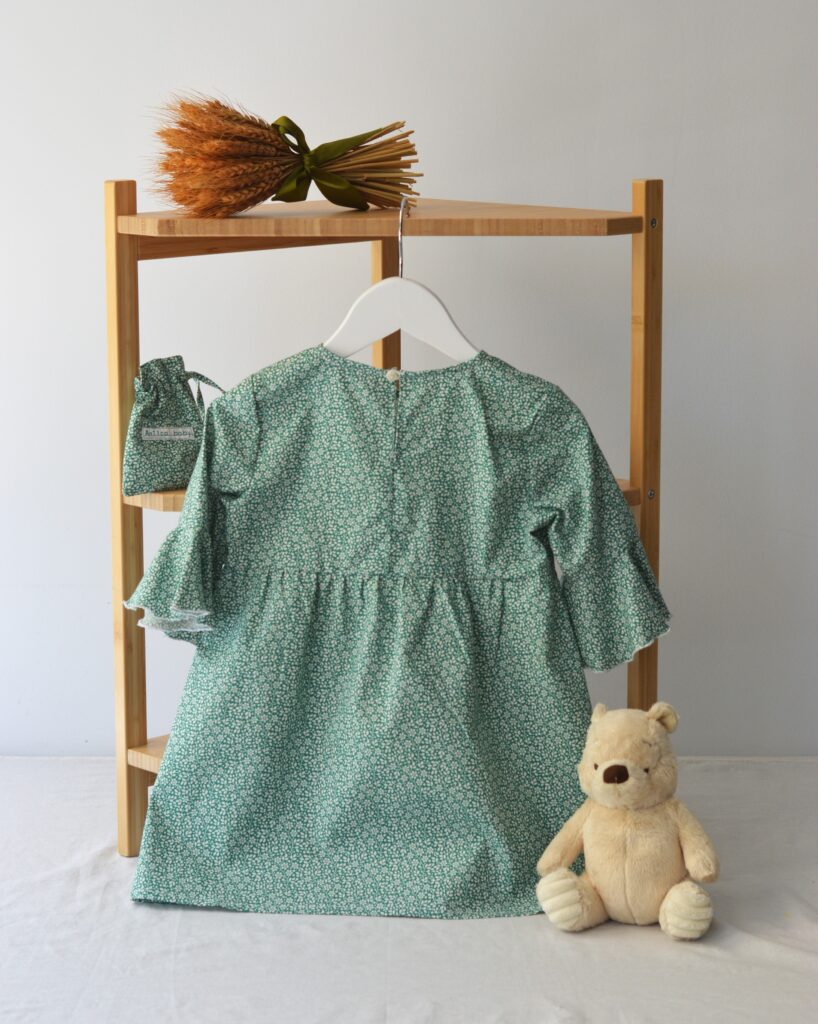
Dressing a baby may seem like a simple task, but for many parents it becomes a source of endless worry. The main concern is usually whether the little one will be too cold or too hot, or whether the fabric chosen will irritate their skin.
The golden rule for dressing a child is to prioritise comfort, safety and temperature regulation. Young children do not regulate their body temperature in the same way as adults during their first few months. The secret lies in using natural fabrics such as organic cotton and following the rule of dressing your baby in one more layer than you are wearing in the same environment.
Below is a practical guide to dressing your baby correctly for each season, along with essential safety guidelines.
Your baby’s wardrobe by season
The weather changes, but the need to protect your baby’s skin remains the same. It’s important to adapt their clothes to each season.
Winter and the art of layering
In the colder months, the aim is to keep your baby warm without making them overheat. The best technique is to dress them in layers:
- First layer: A long-sleeved cotton bodysuit that fits snugly against the body.
- Second layer: Comfortable trousers and a warm jumper or sweatshirt.
- Outer layer: A padded jumpsuit or coat if you’re going out.
- Essentials: Soft woollen hats and thick socks, as most body heat is lost through the head and feet.
Summer, coolness and protection
Extreme heat can cause skin irritation and rashes. At this time of year, it’s best to opt for lightweight clothing:
- Breathable fabrics: Choose short rompers, baby rompers or harem trousers made from linen and fine cotton.
- Newborns: During their first 48 hours of life, they should be dressed in thin long-sleeved clothes, even in summer. After that, you can dress them more lightly.
- Sun protection: A lightweight hat with a brim is essential to protect their eyes and face from direct sunlight.
Spring and autumn versus the transitional seasons
The changeable weather calls for versatile clothing:
- Wear T-shirt outfits paired with knitted jackets or cardigans.
- Choose clothes that are easy to take on and off in case the temperature rises midday or whilst out and about.
Safety tips every parent should know
Style is important, but your baby’s safety and health are the top priority. Before buying or putting an item of clothing on your baby, check these four points:
- Easy and practical fastenings: Look for clothes with press studs at the front, on the shoulders or at the crotch. This will make nappy changes easier and prevent their head from being pulled.
- No hazardous elements: Avoid clothes with long ties, adjustable drawstrings at the neck or small buttons that could come loose. These elements pose a real risk of suffocation or entanglement.
- Get rid of labels: Always cut off stiff inner labels before first use. Thick seams and plastic are the main causes of chafing and nappy rash.
- Strict laundry hygiene: Always wash new clothes before your baby wears them for the first time. Use a mild or baby-specific detergent and avoid fabric softener completely, as it contains allergenic chemicals.
Would you like me to adapt the text to include a section on nightwear, or would you prefer us to focus on the first few days in hospital?